Underwater inspection remains one of those industrial jobs where human divers are still routinely sent into difficult, low-visibility environments. Odisha-based Coratia Technologies is building robots to take on more of that work — and has raised ₹18 crore in a bridge round to scale the technology.
The round was led by MGF Kavachh and follows Coratia’s ₹17 crore pre-Series A fundraise in 2025. The fresh capital will support research and development, manufacturing capacity and deployment, while helping the startup execute a ₹66 crore Indian Navy programme signed in September 2025.
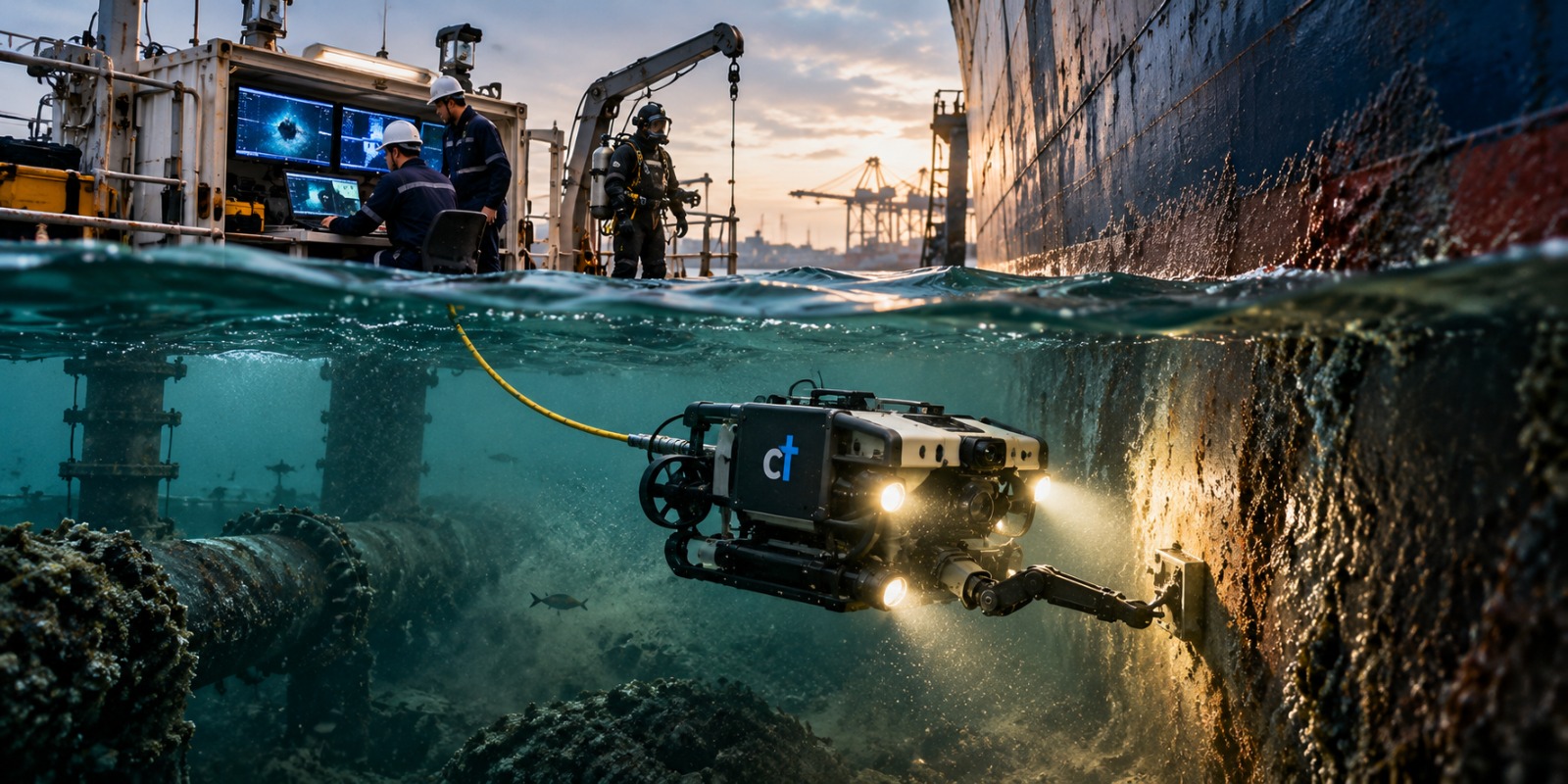
Founded by Debendra Pradhan and Biswajit Swain, Coratia develops remotely operated underwater vehicles, or ROVs, for defence, industrial inspection and critical infrastructure. Its systems combine cameras with technologies such as multibeam sonar, acoustic sensors, Doppler velocity logs and underwater navigation systems to operate where visibility can be poor and currents unpredictable. The Navy contract covers indigenous robotic systems for ship-hull cleaning, minor salvage operations and inspection of submerged infrastructure. Coratia says Indian waters create particular engineering challenges because of turbidity, silt, changing currents and limited visibility. One of its platforms, JalaSimha, is designed for operations at depths of up to 300 metres.
The opportunity extends well beyond defence. Coratia’s customers and partners include Indian Oil, Indian Railways, Tata Steel, Hindalco, SAIL and Jindal Steel and Power. Its robots can be used around dams, reservoirs, ports, bridges, underwater pipelines, offshore installations and subsea communication networks — places where inspections may otherwise be expensive,
difficult or hazardous. The startup is now investing further in autonomy, sensing, navigation and underwater perception while trying to increase the share of indigenous components inside its systems. The bigger challenge is turning complex underwater robotics into repeatable products that remain stable and useful in real operating conditions — not just controlled demonstrations.
Filed by
Startup Unplugged