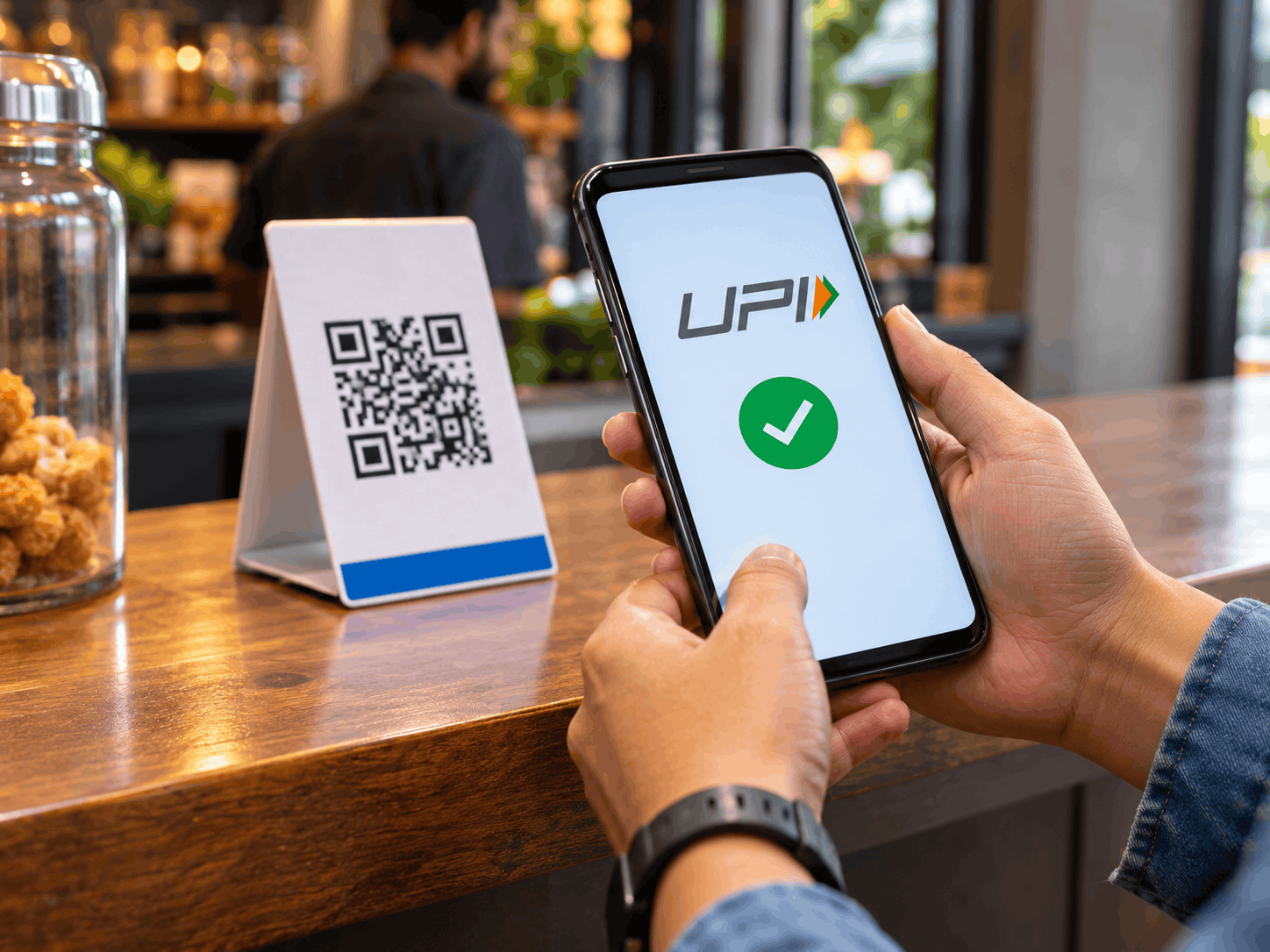
The government, Reserve Bank of India (RBI) and National Payments Corporation of India (NPCI) have yet to agree on a rollout date, despite much of the regulatory and operational groundwork being completed, industry sources told The Financial Express. A further delay would postpone the proposed fee revenue for banks and payment companies involved in processing merchant transactions.
Uttar Pradesh, Punjab, Uttarakhand, Goa and Manipur are scheduled to hold assembly elections in the first half of 2027. A senior industry official told The Financial Express that implementation could be pushed beyond the Uttar Pradesh election if an agreement is not reached earlier. The official described that possibility as a worst-case scenario, rather than the expected outcome.
The proposed framework provides for a 0.4% MDR on specified person-to-merchant UPI transactions above ₹2,000. The fee is capped at ₹300 for transactions of ₹75,000 and above, according to the government’s September 15 clarification. The framework also provides different rates for certain sectors, including essential services and capital market transactions.
Person-to-person transfers will remain free, irrespective of the amount. Merchant payments of up to ₹2,000 and eligible small-merchant transactions covered by the zero-MDR framework are also exempt. The Finance Ministry said approximately 96% of merchant transactions would remain unaffected by the proposed charges.
MDR is a fee within the merchant payment ecosystem, distributed among participating banks and payment service providers. The Finance Ministry said it would not be a tax or a charge collected by the government or NPCI. It also said customers would not be charged MDR directly for making UPI payments.
The rollout was initially scheduled for October 15 but was postponed until after Diwali following concerns over the festive period and merchant opposition. NPCI said a revised implementation date would be notified separately. Reuters reported on Thursday that no new date had been announced and that discussions with the government and RBI were continuing.
NPCI has meanwhile notified the UPI Vyapaar Saksham scheme to expand digital payment acceptance among small merchants. Its November 11 circular provides for the deployment of physical QR codes and soundboxes, alongside transaction-linked incentives to encourage sustained UPI usage.
The scheme will focus on Tier 3 to Tier 6 centres, northeastern states, Jammu and Kashmir, Ladakh and eligible merchants covered under notified central government programmes. It will run for three years from the date the UPI MDR framework comes into effect.
The uncertainty over the rollout weighed on listed payment companies on Thursday. Paytm parent One 97 Communications, Pine Labs and One MobiKwik Systems fell in morning trade after reports raised the possibility of another postponement. Reuters reported that One 97 Communications was down 10% at ₹1,691.55, Pine Labs had fallen 4.67% to ₹161.35 and One MobiKwik Systems was down 7.7% at ₹209 during its reporting window.
The potential revenue impact has also drawn attention from analysts. Jefferies estimated that the proposed fees could account for 14% of Paytm’s pre-tax profit in the current financial year and 28% in the following year, Reuters reported. Those estimates depend on the framework being implemented and should not be read as confirmed earnings.
The immediate decision remains the implementation date. The government, RBI and NPCI have not announced a revised schedule, while industry discussions continue over a rollout window that avoids further resistance from merchants and trade associations.
Filed by
Startup Unplugged