Blockchain is often promoted as difficult to tamper with. For defence systems, that claim is not enough — the underlying network still needs a standard way to prove how securely it handles identities, permissions, records and sensitive information.
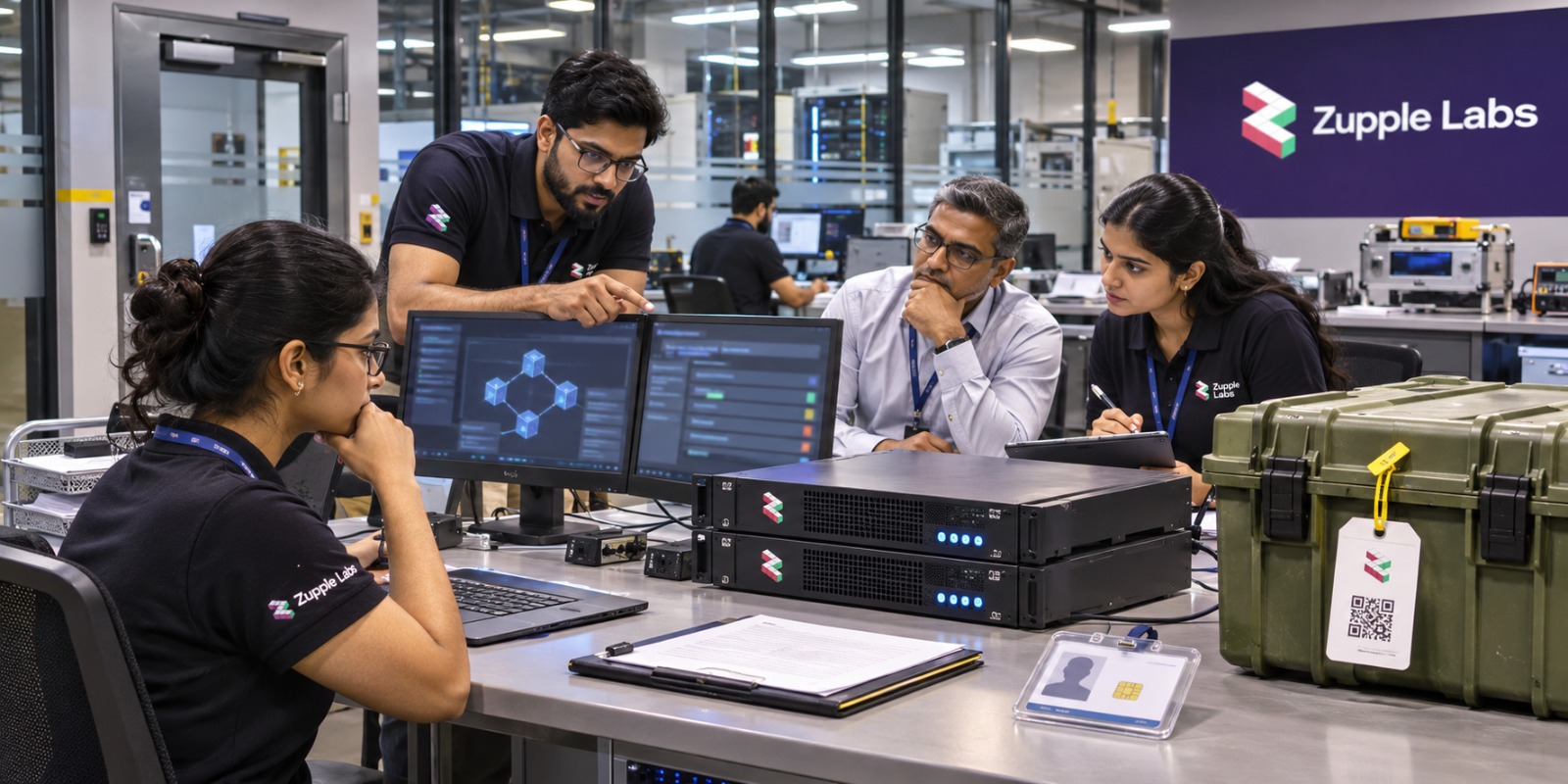
Mangaluru-based Zupple Labs has been selected by the Defence Research and Development Organisation under its Technology Development Fund (TDF) to develop that evaluation layer.
The project, titled Security Analysis and Auditing of Blockchain Networks, will be carried out with DRDO’s Scientific Analysis Group as the nodal laboratory. DRDO had formally issued the project RFP in May 2026.
Over roughly 30 months, Zupple Labs is expected to build an indigenous platform that can standardise how blockchain applications proposed for defence are tested and audited. YourStory reports that this is the first blockchain-domain project selected under the TDF programme.
The need comes from the way defence blockchain could eventually be used. Distributed ledgers may support areas such as logistics, authentication and protected recordkeeping, but public blockchain networks are generally unsuitable for sensitive government applications. Private networks therefore require their own security controls — and, critically, a common framework for evaluating whether those controls are strong enough before deployment.
Zupple Labs already builds blockchain-based trust infrastructure and digital credential systems for governments and institutions. Its reported deployments include land records, educational credentials, identities, permits and work orders, with work spanning four countries.
The project does not mean DRDO is deploying one Zupple blockchain across the military. Zupple is instead being asked to build the testing and assurance layer that future blockchain applications can be measured against.
That makes the mandate less about launching another blockchain network and more about defining the security bar every future defence blockchain may have to clear.
Filed by
Startup Unplugged