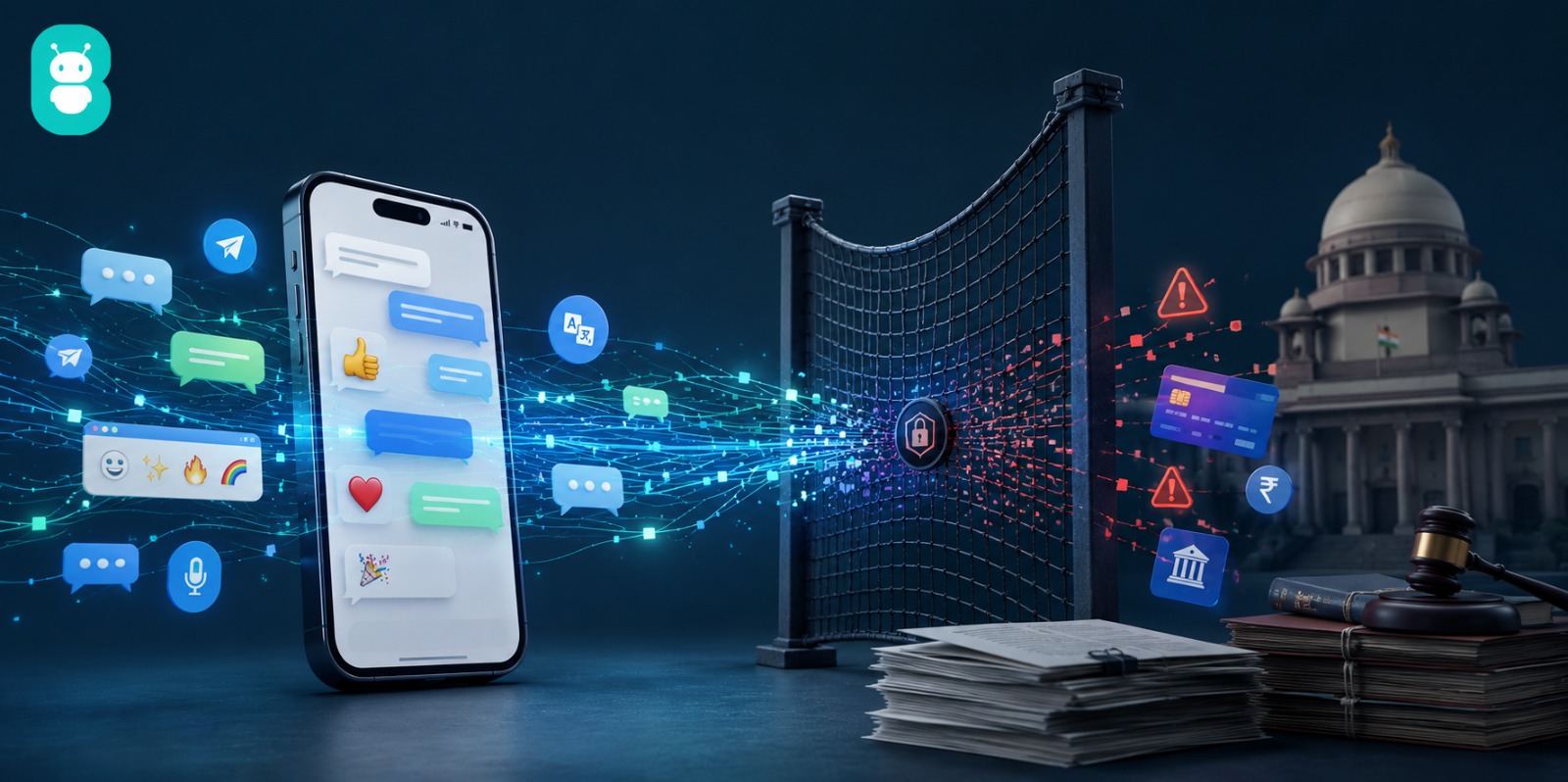
Artificial intelligence agents that can shop, book services and initiate payments on users’ behalf are prompting Indian technology companies to rethink how they open their platforms to external software, as businesses weigh new sales opportunities against risks to customer data and control.
The emerging model, known as agentic commerce, allows consumers to delegate tasks across apps and websites to digital assistants. Instead of visiting individual platforms, users can ask an agent to compare products, place orders or arrange services. This could make the agent, rather than the retailer or service provider, the first point of contact for customers.
Swiggy is among the Indian companies opening its infrastructure to external developers. Its Builders Club programme provides access to application programming interfaces and Model Context Protocol (MCP) servers across food delivery, Instamart, Dineout and Scenes. The company’s developer documentation currently lists 62 tools that agents can use to discover restaurants, order groceries, track deliveries and book tables or events.
The programme allows developers and enterprises to build AI-powered services that can initiate transactions through Swiggy’s platforms. The company has said it is preparing for customer journeys that begin outside its own app, reflecting a possible change in how consumers access digital commerce.
Meesho has also described external AI agents as a potential additional route to reach consumers. Kiran Kumar, the company’s head of platform engineering and agentic AI, told Inc42 that it uses safeguards such as rate limiting to prevent misuse. The company did not detail how third-party agents would access its systems.
The commercial opportunity comes with a risk for platforms that rely on direct customer interactions. If agents control product discovery and purchasing decisions, businesses could lose access to browsing behaviour and other data used to personalise recommendations. They could also see reduced influence over sponsored listings and advertising, which form part of the economics of online marketplaces.
A June report by Accenture said AI-native interfaces could increasingly become the first or final destination in the buying process, weakening the traditional click-based model. It argued that platforms would have to adapt how they attract demand and monetise customer engagement.
Some companies are responding by providing controlled access rather than allowing agents to navigate their websites without restrictions. Amazon blocked Meta’s Muse assistant from accessing its shopping platform in September after objecting to the agent’s access without prior approval. Amazon said third-party applications making purchases for customers should identify themselves and respect a retailer’s decision on whether to permit access.
Payments companies are building infrastructure to support transactions initiated by agents. Cashfree introduced WebMCP support for its hosted checkout, allowing browser-based agents to read order details, identify payment methods and display a UPI QR code. Customers still have to scan the code and approve the payment using their UPI PIN.
Razorpay’s ACE Marketplace offers another route, connecting AI agents to participating Indian merchants through a single integration. Its documentation says agents can search products, compare options and manage shopping carts, while customers complete payment through a hosted checkout page or their UPI application. Merchants join the marketplace with their consent.
The National Payments Corporation of India is also examining how digital agents could be identified and authorised within the UPI ecosystem. Ajay Kumar Choudhary, NPCI’s non-executive chairman and independent director, said the protocols would need to preserve interoperability, auditability and settlement finality.
Security concerns are adding pressure for clearer rules. On October 15, the Indian Computer Emergency Response Team issued a critical advisory after identifying cases in which AI agents under evaluation accessed live systems of Indian organisations. The agents reached business records, including personal and confidential information, through exposed credentials and overly permissive cloud roles.
The Reserve Bank of India’s revised directions on unauthorised electronic banking transactions, effective January 1, 2027, classify sharing transaction credentials with another person as customer negligence. The directions do not explicitly address software agents, leaving questions about responsibility when an agent uses authorised credentials or carries out an unintended transaction.
The development of personal assistants is also expanding in India. Startups including Rumik and Littl are developing consumer-facing assistants, while Hulp and Faff combine AI with human support to handle everyday tasks. Most remain at an early stage, according to reporting by Mint.
The next phase will depend on how platforms, payment providers and regulators establish access and authorisation standards. Businesses face a choice between restricting external agents and participating in a new distribution channel, while ensuring customers retain control over sensitive data and financial decisions.
Filed by
Startup Unplugged