Walk through any shopping mall today, and you'll see hundreds of clothing brands competing for the same customer. Most of them offer similar oversized T-shirts, hoodies, cargos and streetwear. The fabrics are comparable, the price points overlap, and the designs often follow the same global trends. Yet every few months, a new brand manages to cut through the noise and dominate conversations online.
It raises an interesting question. If everyone is selling similar products, what exactly are consumers buying?
The obvious answer is fashion. The better answer is identity.
For Gen Z, clothing has become more than something to wear. It has become a way to communicate personality without saying a word. A T-shirt is no longer just a T-shirt. It reflects humour, interests, internet culture and the communities people want to associate with. That's one of the reasons branding has become just as important as the product itself.
Brands like Burger Bae understand this remarkably well.
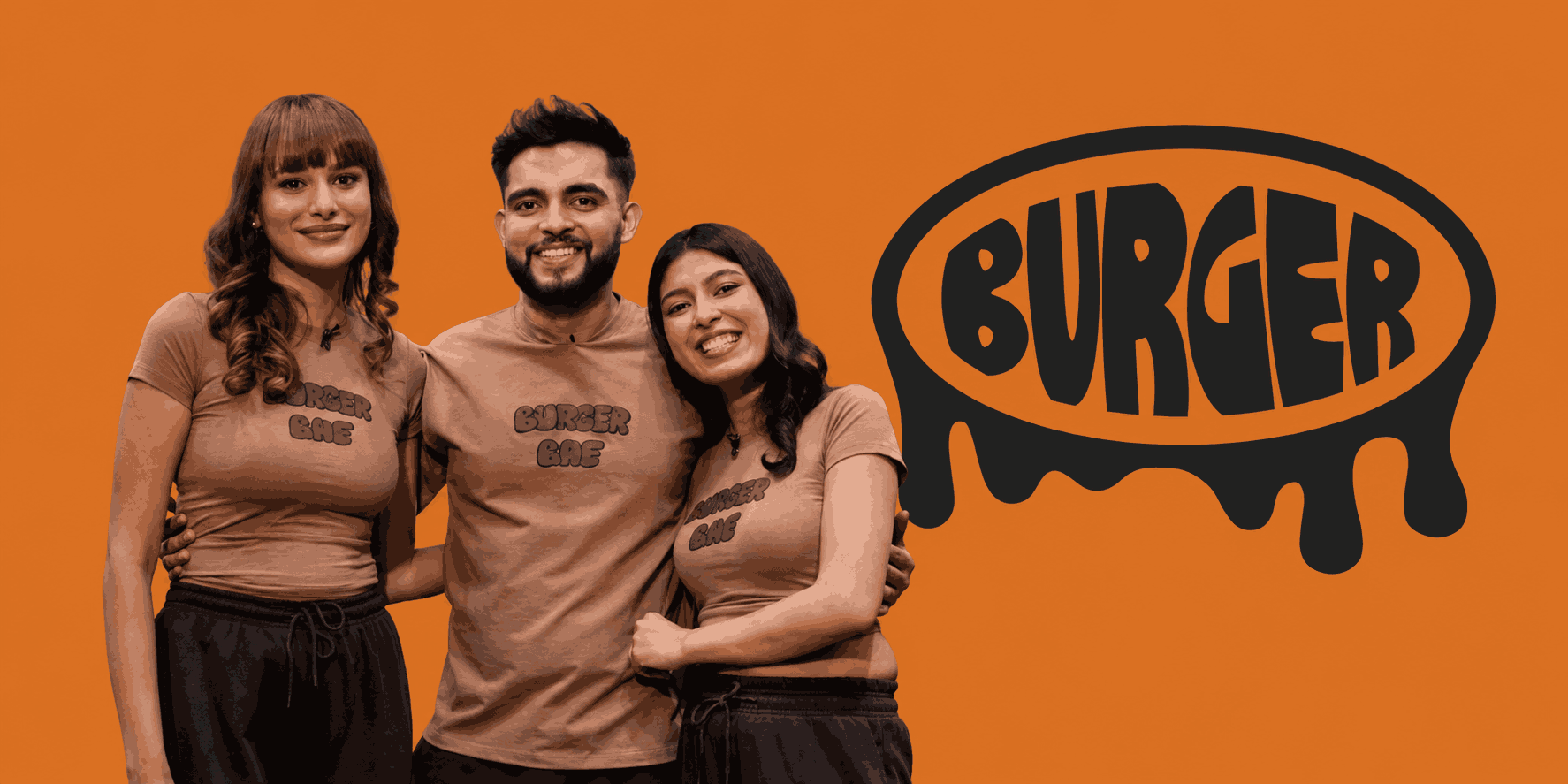
Founded by Rohan Kashyap, Ojasvee Kashyap and Janvi Sikaria, Burger Bae didn't enter the market claiming to reinvent streetwear. Instead, it built something far more valuable in today's attention economy: a brand people instantly remembered. The name sounded unexpected, playful, and unmistakably internet-native. It sparked curiosity before customers had even looked at a single design. That first impression matters more than ever.
Most brands don't get discovered on store shelves anymore. They get discovered while someone is scrolling through Instagram, YouTube Shorts or a friend's story. In those few seconds, consumers aren't comparing stitching quality or fabric blends. They're deciding whether a brand feels interesting enough to deserve their attention. That's where personality beats product.
Burger Bae's communication, visual identity and social media presence feel less like a traditional fashion label and more like a brand that understands internet culture. It speaks the language of its audience instead of trying to impress them with luxury. The result is a brand that feels familiar, shareable and easy to remember qualities that are becoming increasingly valuable in a world where attention disappears almost as quickly as it arrives. This isn't unique to fashion.
Look across today's fastest-growing consumer brands and the pattern becomes clear. Some of the biggest winners aren't necessarily those with the most innovative products. They're the ones with the clearest personality. Consumers remember them because they evoke a feeling, a joke, a cultural reference or a conversation. The product earns repeat purchases, but the personality earns the first click.
That shift says something important about how branding itself has evolved.
For years, businesses believed that a good product would eventually build a good brand. Today, the relationship often works the other way around. A distinctive brand creates curiosity, curiosity drives discovery, and only then does the product get its chance to prove itself.
Burger Bae reflects this new reality. Its success isn't simply a story about streetwear. It's a reminder that in an internet-first economy, consumers don't just choose products that look good. They choose brands that feel like they belong in their world.
Startup Unplugged Perspective
The next generation of consumer brands won't compete only on quality or price. Those have become baseline expectations.
The real advantage will belong to brands with a clear personality brands that people remember, talk about, and recognise before they ever become customers. Burger Bae isn't successful because it found a gap in fashion.
It's successful because it understood a culture shift.
Share your take
convinced you to buy the product, or the personality behind the brand?
Written by
Team Startup Unplugged
_11.png)

.png)