There is a strange contradiction at the heart of urban India.
A 24-year-old living in Gurugram can manage advertising campaigns for global brands, build websites, trade stocks from a smartphone, and order groceries that arrive in under ten minutes. Yet on many evenings, that same person will stand in front of a kitchen wondering what to do with a tomato, an onion, and a packet of spices.
For a generation that has grown up surrounded by technology, convenience has become second nature. Cooking, however, has not.
Speak to enough young professionals living away from home and a familiar pattern emerges. The intention to cook is almost always there. The execution is another story. A long day at work turns into an unexpected meeting. A quick grocery run feels like a task. A recipe that looked simple on Instagram suddenly requires fifteen ingredients that don't exist in the kitchen. Eventually, the delivery app wins.
Again. And then comes the irony.
Many of the same people who rely on food delivery several times a week will tell you they miss home-cooked food the most. Not restaurant food. Not gourmet food. Just the simple meals they rarely thought about while growing up.
Dal. Sabzi. Roti.
The meals that quietly appeared on the table every day without anyone questioning the effort behind them. It is only after moving out that many people discover how much work goes into something as ordinary as dinner.
That's partly why a new category of food startups has started attracting attention. Rather than competing with restaurants or delivery platforms, these companies are attempting to solve a different problem altogether: making cooking feel less intimidating.
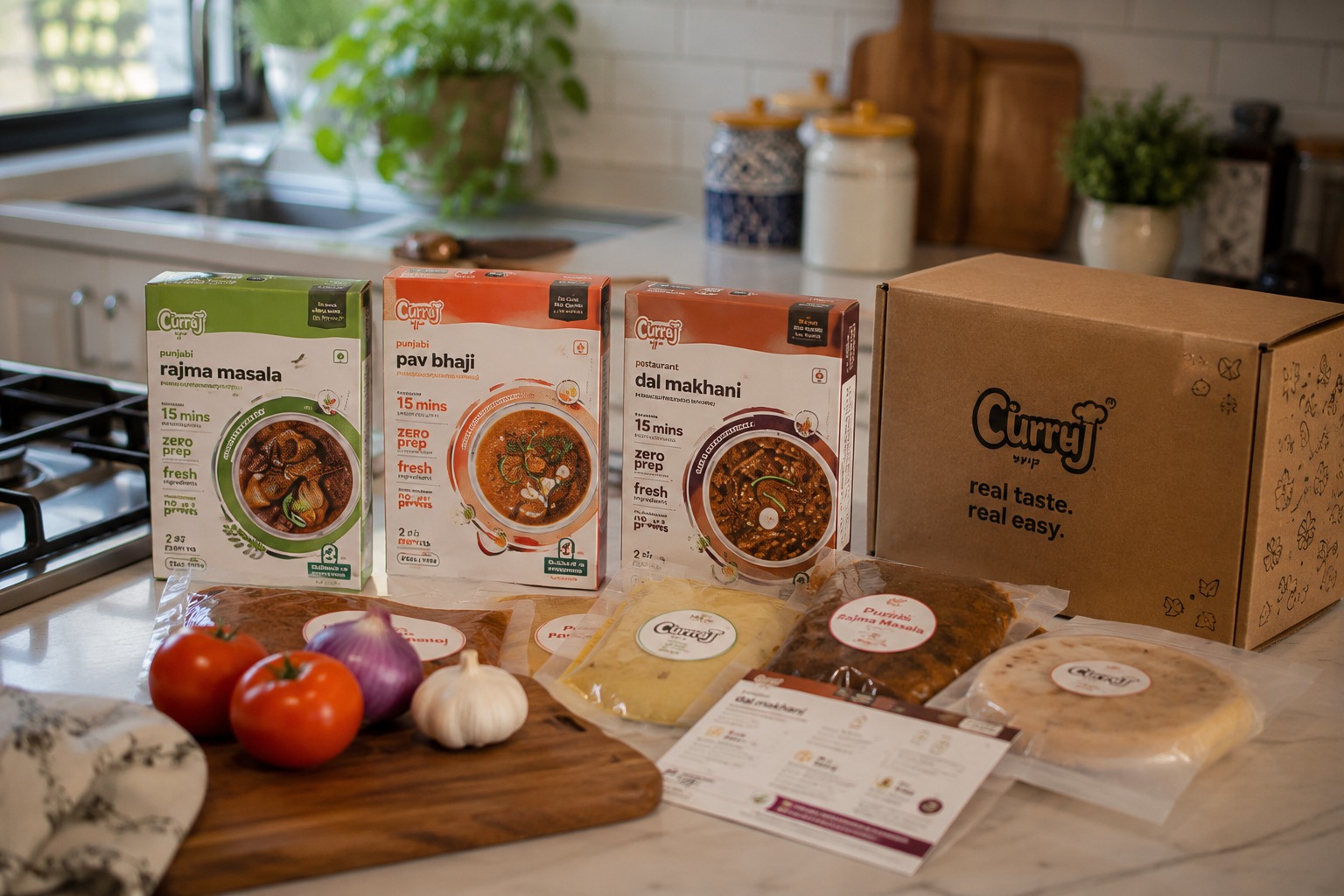
Gurugram-based CurryIt is one example.
The company isn't trying to convince people to become chefs. Nor is it selling the fantasy of elaborate weekend cooking. Instead, it is built around a much simpler idea that many people would cook more often if the process demanded less time, less preparation, and fewer decisions.
It's a subtle yet important shift.
For years, food startups focused on helping people avoid cooking. Now, some are betting that the bigger opportunity might be helping people return to it.
That says something interesting about where urban consumer behaviour is headed.
The first phase of convenience was about outsourcing everything. Food delivery, groceries, laundry, transportation. Technology made it possible to remove friction from everyday life. The second phase appears to be different. Consumers are still looking for convenience, but they are also looking for participation. They want to cook occasionally. They want healthier meals. They want some connection to the process. They just don't want the complexity that traditionally comes with it.
In many ways, this isn't really a food story.
It's a story about adulthood.
Previous generations learned domestic skills because daily life demanded them. Today's generation often has the option to bypass them entirely. The result is a growing gap between what people value and what they actually do.
Food happens to be one of the clearest examples.
Startup Unplugged Perspective
The most interesting startups are often the ones that notice behavioural shifts before everyone else does.
The rise of companies like CurryIt isn't really about cooking. It's about a generation trying to find a middle ground between convenience and control, between ordering in and doing it themselves. Technology taught us how to outsource almost everything.
The next wave of consumer businesses may be built around helping people reconnect with the things they never wanted to outsource in the first place.
If cooking became twice as easy tomorrow, would you actually do it more often or has convenience already changed the way we eat forever?
Share your take
What is your perspective on this article?
Written by
Team Startup Unplugged
_11.png)

.png)