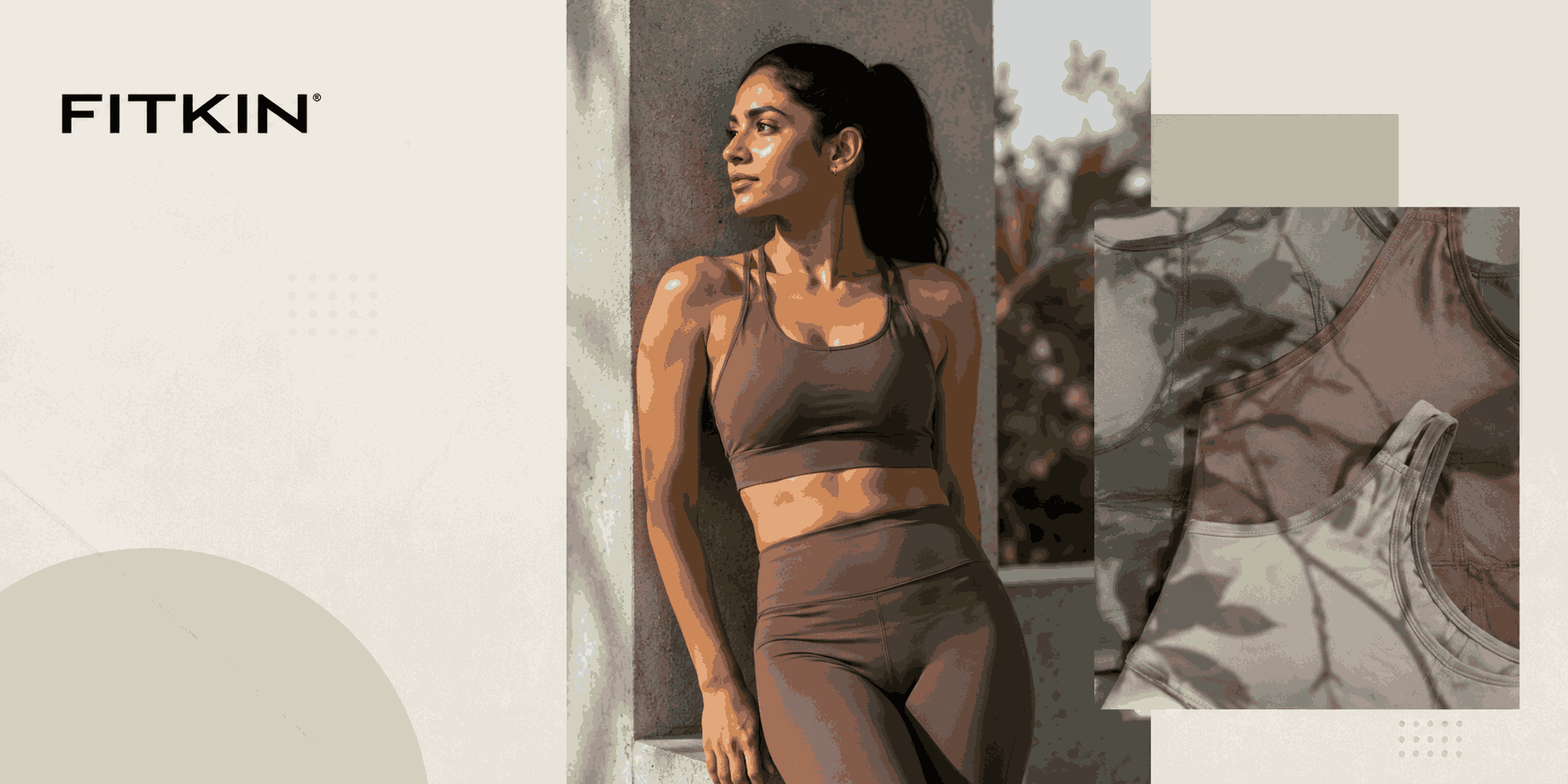
A few years ago, spotting someone in leggings at a café usually meant they had either just finished a workout or were on their way to one. Today, it means almost nothing.
You'll see activewear at airports, in coworking spaces, inside supermarkets and during weekend brunches. It's become the unofficial uniform of people who have no intention of exercising that day. Somewhere along the way, gym clothes quietly escaped the gym. Fashion doesn't usually change overnight. It drifts.
A hoodie becomes office wear after working from home. Sneakers replace formal shoes one Friday at a time. Activewear follows the same pattern. What began as performance clothing slowly became comfortable clothing, and eventually everyday clothing.
That's why the activewear market isn't really growing because more people are exercising. It's growing because more people are living differently.
The modern workday doesn't fit neatly into categories anymore. A morning walk turns into a coffee meeting. A café becomes an office. An evening workout is squeezed between calls. People don't want wardrobes built for different parts of the day. They want clothes that move with them.
That's the shift brands are responding to.
Fitkin is one of them.
Founded by Surbhi Chawla, Fitkin doesn't present activewear as something reserved for the gym. Its positioning revolves around what it calls "Life-Ready Activewear," and that phrase captures something many traditional sportswear brands overlooked. Today's consumer isn't buying leggings for one hour of exercise. They're buying them for everything that happens before and after it.
That changes how a product is designed. Fit matters differently. Fabric matters differently. Comfort matters differently.
And increasingly, so does representation.
One of the reasons Fitkin has built its identity around the #NoMoreAdjustments campaign is because it recognised something larger than a sizing problem. For years, many women quietly adapted themselves to products that weren't always designed with Indian bodies or lifestyles in mind. It became normal to try multiple sizes, compromise on comfort, or simply accept that nothing ever fit perfectly. Fitkin questioned that assumption.
Not by claiming that every global brand was wrong, but by asking whether Indian consumers deserved products designed around their own realities rather than imported expectations.
That's a subtle difference.
But businesses are often built on subtle differences.
Look around today and you'll notice the same thinking spreading across industries. Beauty brands are developing shades for Indian skin tones. Mattress companies are studying how Indians actually sleep. Food startups are redesigning everyday meals to suit local eating habits rather than copying Western trends. Consumers aren't asking brands to think globally anymore. They're asking them to understand locally. Fitkin fits into that larger movement.
It's not simply selling activewear. It's responding to a generation that expects products to adapt to their lives instead of the other way around.
Perhaps that's why the category feels so relevant today. The biggest consumer businesses rarely succeed because they invent a completely new habit. They succeed because they notice that an old habit has quietly changed. Gym wear didn't become everyday wear because fashion brands decided it should. It happened because consumers changed first.
The smartest brands simply noticed before everyone else did.
Startup Unplugged Perspective
The best founders aren't always the first people to spot a trend.
They're often the first to realise that what looks like a trend is actually a permanent shift in behaviour. Fitkin isn't just participating in the activewear market. It's building for a lifestyle that already exists.
And that's a much stronger foundation than chasing the next fitness craze.
Question for Readers
Take a look at what you're wearing today.
Is it designed for one part of your day or for everything your day might become?
Share your take
Take a look at what you're wearing today. Is it designed for one part of your day or for everything your day might become?
Written by
Team Startup Unplugged
_11.png)
.png)